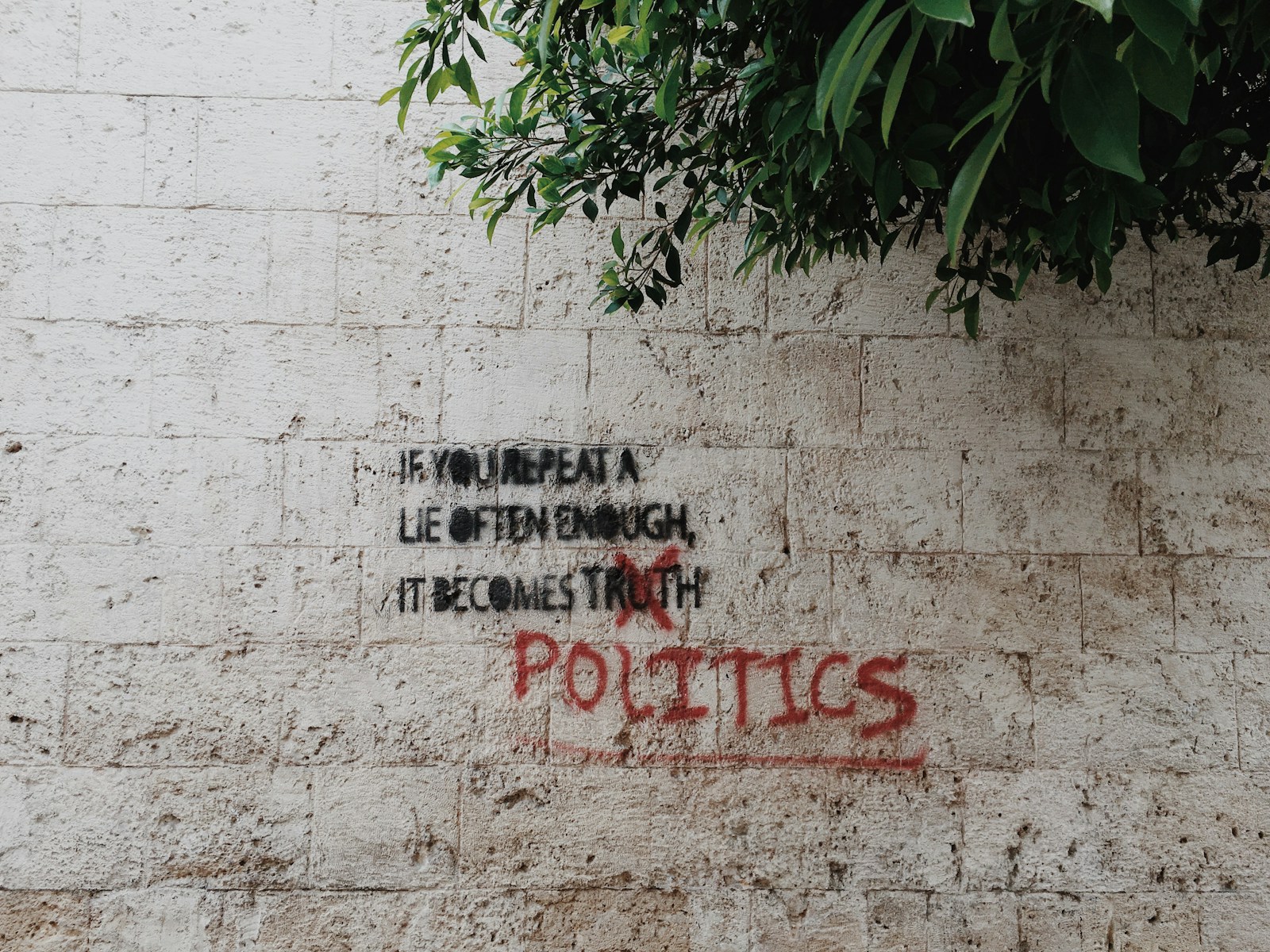
The Power of NLP in Politics: Crafting Messages That Influence
“Words are, of course, the most powerful drug used by mankind.” — Rudyard Kipling
Politicians are master communicators, and whether knowingly or unknowingly, many utilize techniques rooted in Neuro-Linguistic Programming (NLP) to influence public perception, sway opinions, and even distract from pressing issues. From creating emotional anchors to crafting compelling rhetoric, these techniques shape the way citizens perceive their leaders and the world around them. Let’s dive into the mechanics of how the power of NLP in politics plays a huge role—intentionally and unintentionally.
1. What Is NLP and Why Does It Work in Politics?
NLP is a framework that explores the connection between neurological processes (the way we think), language (what we say), and behavioral patterns (what we do). Politicians leverage NLP to connect emotionally, frame narratives, and direct attention. These techniques are effective because they operate on both conscious and subconscious levels, subtly influencing how we process information.
2. Creating Emotional Anchors
In NLP, an anchor is a stimulus that triggers a specific emotional response. Politicians use anchors to connect their image or message with strong emotions like hope, fear, or pride.
Examples of Anchors in Politics:
- Barack Obama’s “Yes We Can”: This phrase became synonymous with optimism and collective action. It wasn’t just a slogan—it was an emotional anchor that triggered feelings of empowerment.
- Donald Trump’s “Make America Great Again”: This played on nostalgia and pride, anchoring the idea of past greatness with the future of his leadership.
Through repetition, these anchors become deeply ingrained in the public psyche, influencing how people feel about the leader and their policies.
3. The Use of Frames and Reframing
NLP teaches that the way information is framed can change how it is perceived. Politicians are adept at using frames to guide the narrative and reframe contentious issues to their advantage.
Positive Frames:
- Labeling tax cuts as “economic relief” instead of “reducing government revenue” shifts the focus to personal benefit.
Reframing Failures:
- When a policy flops, leaders often reframe the narrative. For example, calling a military withdrawal “a strategic repositioning” rather than a retreat diminishes the perception of failure.
These techniques steer public perception, making contentious policies more palatable.
4. Questions That Force Answers
As NLP practitioners emphasize, questions can drive thinking. By posing specific questions, politicians lead audiences toward desired conclusions without explicitly stating their point.
- Example: “Do you feel safer today than you did four years ago?” forces individuals to evaluate their sense of security, subtly steering them to compare past and present leadership.
- Example: “Who benefits if we fail to act now?” creates an implied urgency, making inaction seem irresponsible.
5. Utilizing Metaphors and Symbols
Metaphors and symbols are powerful NLP tools because they simplify complex issues and appeal to emotion. Politicians frequently use metaphors to create relatable and memorable messages.
- Ronald Reagan: Called America a “shining city on a hill,” evoking hope and moral superiority.
- Joe Biden: Refers to the “soul of America,” framing national unity as a deeply personal and moral endeavor.
Metaphors bypass logical reasoning and speak directly to emotions, making them highly effective in speeches and campaigns.
6. Creating Distractions with Language
NLP techniques can also be used to distract audiences, drawing attention away from problematic topics. This might involve:
- Ambiguous Language: Using vague terms like “we’re looking into it” or “we’re making progress” without committing to specifics.
- Redirection: Politicians often shift attention by introducing emotionally charged topics. For example, during scandals, leaders might pivot discussions to national security or economic issues to dominate headlines.
This tactic works because it exploits the brain’s limited capacity to focus on multiple things at once.
7. Hypnotic Patterns in Political Speeches
Some leaders have been accused of using deliberate hypnotic language patterns, a cornerstone of advanced NLP techniques. These patterns create suggestibility and reinforce messages.
Barack Obama’s Hypnotic Cadence:
Speech experts have noted Obama’s use of rhythmic speech, pauses, and repetition to create a hypnotic effect. These techniques enhance emotional resonance and encourage audiences to internalize his words.
Donald Trump’s Simple, Repetitive Language:
While critics have mocked Trump’s simplistic language, NLP experts recognize it as a deliberate strategy. His repetition (e.g., “fake news,” “build the wall”) strengthens neural associations, making his messages unforgettable.
8. Presidents Known to Deliberately Use NLP
Several political leaders and their advisors have been linked to the deliberate use of NLP:
Bill Clinton:
Clinton’s ability to create rapport with audiences was legendary. NLP practitioners often cite his use of mirroring (matching body language and tone) to build trust and connection.
Tony Blair:
Blair’s communication coach, Carole Railton, trained him in NLP techniques to improve his public speaking and persuasion skills.
Barack Obama:
Obama’s oratory success is frequently studied in NLP circles for its use of anchors, rhythmic speech patterns, and the deliberate pacing of ideas.
9. The Ethical Considerations of NLP in Politics
While NLP is a powerful tool, its use in politics raises ethical questions:
- Manipulation vs. Influence: Is it ethical to use subconscious triggers to sway public opinion, even if the intent is good?
- Transparency: Should leaders disclose their use of psychological techniques in speeches and campaigns?
When used responsibly, NLP can foster better communication and unity. However, when abused, it can distort truth and exploit vulnerabilities.
10. How to Recognize NLP in Political Discourse
To become a more informed citizen, learn to spot NLP techniques:
- Notice Repetition: Are certain phrases repeated to create anchors?
- Question Framing: How is the issue being presented? Is the frame overly positive or negative?
- Watch for Distractions: Are controversial topics being overshadowed by emotionally charged issues?
- Evaluate Simplicity: Are complex issues being oversimplified through metaphors or soundbites?
Awareness as a Tool for Empowerment
Whether deliberate or unconscious, politicians’ use of NLP shapes how we think, feel, and act. By understanding these techniques, you can navigate political messages with a critical eye, separating genuine leadership from manipulative tactics.
As citizens, awareness is our best defense. By recognizing these patterns, we not only protect ourselves from undue influence but also demand a higher standard of authenticity and accountability from our leaders.





One Comment