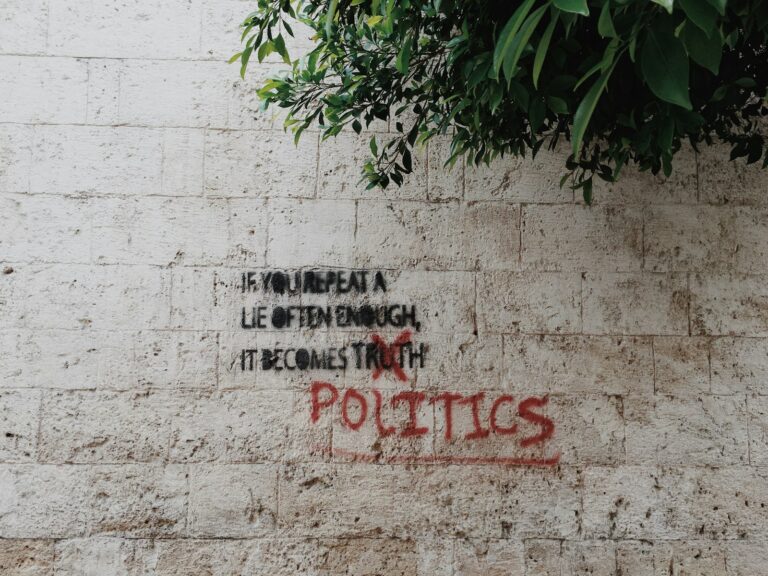
Are You Thinking Your Thoughts—or Someone Else’s?
“It is hard to fight an enemy who has outposts in your head.” —Sally Kempton
The Story of John—And Maybe You
John was certain. He knew which political party was ruining the country. He argued about it with friends and passionately defended his beliefs at family dinners. But when someone asked, “Why do you believe that? Can you explain it?”—he froze.
John realized his argument wasn’t his own. It came from a coworker’s lunchtime rant and a Facebook post. He had repeated what he heard but never understood it.
Now, let me ask you: Have you ever done the same?
We’ve all been there—repeating ideas or beliefs that we’ve never questioned. Indoctrination doesn’t require brainwashing or manipulation. It simply requires that we stop asking questions and accept simplified answers.
1. The Human Brain Craves Simplicity
Your brain is a master at conserving energy. It avoids effort when it can, and that includes thinking deeply. Instead of wrestling with complex ideas, it:
- Accepts what’s easy to understand
- Believes what’s repeated most often
- Trusts what’s said with confidence
This is why soundbites, slogans, and headlines have so much power. They deliver simple, emotionally charged messages that require no thought.
Example:
Someone says, “Taxes are bad for the economy.” It’s simple, memorable, and repeated everywhere. But without understanding how taxes work, who they affect, or why they exist, it’s just a fragment of truth.
2. Partial Understanding Feels Like Full Conviction
Here’s where it gets tricky: the less you know, the more certain you feel. Psychologists call this the Dunning-Kruger Effect.
When you only know part of the story, you think you know everything.
- You hear one side of an argument.
- You accept it because it’s simple and fits what you already believe.
- You defend it passionately—without realizing you’re missing half the picture.
Analogy:
It’s like learning to play one chord on a piano and calling yourself a musician. You know something, but it’s far from the whole truth.
3. Who Are You Trusting to Think for You?
Simplified ideas don’t spread on their own—they come from somewhere. And often, they come from people we trust:
- Politicians, religious leaders, influencers
- Family, friends, or our community
Trust makes us lower our guard. When someone we respect says something with confidence, we accept it without questioning:
- “This group is evil.”
- “Our way is the right way.”
- “Those people are trying to take something from you.”
But here’s the danger: trust does not equal truth. Even well-meaning people can pass on biased, incomplete, or false information.
Reflective Question:
- Are you following an idea because you believe it—or because someone told you to?
4. Confirmation Bias: The Invisible Trap
Once you believe something, your brain looks for proof that you’re right. This is called confirmation bias, and it keeps us locked in narrow thinking:
- You only watch news that agrees with you.
- You ignore facts that challenge your belief.
- You surround yourself with people who think the same way.
Over time, you’re not thinking for yourself—you’re reinforcing someone else’s narrative.
Practical Exercise:
Pick a belief you hold strongly. Ask yourself:
- What evidence supports this?
- What evidence challenges it?
- Have I explored both sides fairly?
5. Stories and Emotion Override Logic
Have you ever noticed that emotional stories stick with you longer than facts? That’s because your brain loves emotion—it’s memorable and powerful.
Indoctrination thrives on stories that trigger feelings like fear, anger, or pride:
- “If you don’t believe this, you’ll be punished.” (Fear)
- “We’re the righteous ones.” (Pride)
When emotion takes over, logic shuts down. You stop questioning and start feeling.
Reflective Question:
- Think of a belief you hold strongly. Did you form it based on facts—or a powerful story?
6. Breaking Free: Start Thinking for Yourself Again
The first step to breaking free from indoctrination is recognizing it. It’s not a flaw—it’s human nature. But once you see it, you can change it.
Actionable Steps to Take Back Control:
- Start Asking “Why?”
- Why do I believe this?
- Who benefits if I believe it?
- What else might be true?
- Expose Yourself to Opposing Viewpoints:
- Read articles, watch videos, or talk to people who think differently.
- Challenge yourself to understand their reasoning, even if you don’t agree.
- Admit What You Don’t Know:
- It’s okay to say, “I don’t know enough about this to have an opinion.”
- True confidence comes from understanding, not pretending.
Freedom Lies in Questioning
You don’t need to reject every idea or belief—but you do need to question where they come from. Are You Thinking Your Thoughts or just “borrowing” someone else’s without understanding, that is what you should be questioning within.
“You can’t control what influences you—but you can control whether you accept it.”
Pick one belief you hold strongly. Ask yourself: “What if I’m wrong? What else could be true?”
That question alone could change everything.