7 Reasons Why Gratitude Changes Everything: The Key to Happiness, Success, and Fulfillment
“Gratitude turns what we have into enough.” – Anonymous
In a world that often feels fast-paced and overwhelming, gratitude acts as a grounding force. It shifts your focus from what’s lacking to what’s abundant, bringing a sense of contentment, joy, and purpose. But gratitude isn’t just a fleeting feeling—it’s a practice that has the power to transform your mindset, relationships, and even your professional success. Let’s explore the profound impact of gratitude, the science behind it, and how to cultivate it in everyday life.
1. The Science of Gratitude
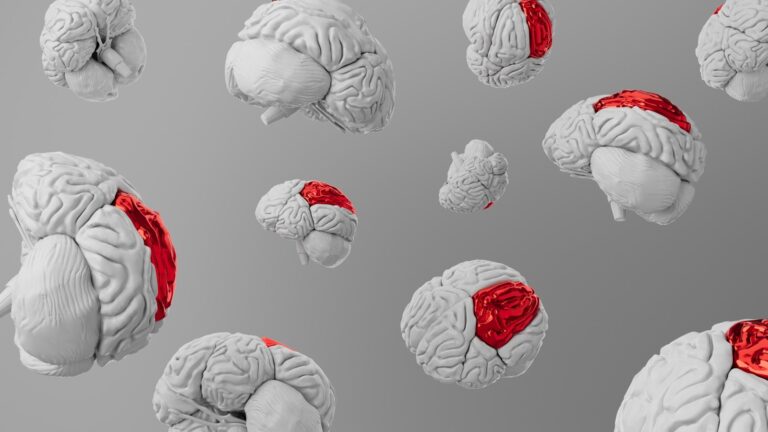
Gratitude isn’t just a feel-good idea—it’s rooted in neuroscience and psychology. Research shows that practicing gratitude changes your brain and your outlook.
The Brain on Gratitude:
- Increased Positivity: Gratitude activates the brain’s reward centers, releasing dopamine and serotonin, the “feel-good” chemicals.
- Reduced Stress: Gratitude lowers cortisol levels, helping you stay calm under pressure.
- Strengthened Neural Pathways: Regular gratitude practice rewires your brain to focus on positive experiences.
Studies on Gratitude:
- A study from the University of California found that people who wrote down three things they were grateful for each day experienced greater happiness and reduced symptoms of depression after just three weeks.
- Gratitude has been linked to improved physical health, better sleep, and increased resilience.
Reflection Question: How often do you pause to appreciate the positive aspects of your life?
2. Gratitude in Perspective: Shifting Your Mindset
Gratitude isn’t about ignoring challenges—it’s about reframing them. When you focus on what’s going well, you develop a resilient mindset that sees opportunities instead of obstacles.
How Gratitude Shifts Perspective:
- From Lack to Abundance: Instead of dwelling on what you don’t have, gratitude highlights what you already possess.
- From Stress to Solutions: Gratitude helps you see challenges as temporary and manageable.
- From Comparison to Contentment: By appreciating your journey, you’re less likely to compare yourself to others.
Example:
When facing a difficult deadline, gratitude for the opportunity to learn and grow can transform stress into motivation.
Action Step: The next time you feel overwhelmed, write down three things about the situation that you’re grateful for.
3. Gratitude as a Tool for Building Stronger Relationships
Expressing gratitude strengthens your connections with others. It shows appreciation, fosters trust, and creates a positive cycle of kindness and reciprocity.
Ways Gratitude Enhances Relationships:
- Acknowledging Contributions: People feel valued when their efforts are recognized.
- Strengthening Bonds: Gratitude deepens your relationships by reminding you of the good in others.
- Encouraging Collaboration: A culture of gratitude fosters teamwork and mutual respect.
Example:
A simple “thank you” to a colleague for their hard work can improve workplace dynamics and collaboration.
Action Step: Make it a habit to thank one person each day for something specific they’ve done.
4. Gratitude in Professional Success
Gratitude isn’t just a personal virtue—it’s a professional asset. Leaders and entrepreneurs who practice gratitude are often more effective, innovative, and respected.
Benefits of Gratitude at Work:
- Boosts Productivity: Teams perform better when leaders express appreciation for their efforts.
- Enhances Creativity: A positive mindset fueled by gratitude fosters out-of-the-box thinking.
- Builds Loyalty: Gratitude creates a supportive work environment where employees feel valued.
Example:
Elon Musk often credits his teams for their hard work, fostering a sense of unity and shared purpose despite high-pressure environments.
Action Step: Start or end meetings with a moment of gratitude, acknowledging team achievements or milestones.
5. Cultivating Gratitude as a Daily Practice
Gratitude is a skill that grows stronger with consistent practice. Building it into your daily routine ensures it becomes a natural part of your mindset.
Practical Ways to Practice Gratitude:
- Gratitude Journaling: Write down three things you’re grateful for each day.
- Morning Reflection: Begin each day by reflecting on what you appreciate.
- Gratitude Reminders: Set an alarm or use sticky notes to prompt gratitude throughout the day.
- Gratitude Walks: Take a walk and consciously notice things around you that you’re grateful for.
- End the Day With Gratitude: Before bed, think about one positive moment from the day.
Example:
A gratitude journal might include small wins like, “I’m grateful for a sunny day, a supportive colleague, and a productive meeting.”
Action Step: Start a gratitude journal tonight and commit to adding three entries for the next 7 days.
6. Overcoming Gratitude Blocks
Sometimes, stress, comparison, or a negative mindset can make it difficult to feel grateful. Recognizing and addressing these blocks is key to maintaining your gratitude practice.
Common Gratitude Blocks:
- Focusing on Negatives: Dwelling on what’s wrong rather than what’s right.
- Taking Things for Granted: Forgetting to appreciate the small, everyday blessings.
- External Validation: Feeling gratitude only when others acknowledge your efforts.
How to Overcome Them:
- Reframe Challenges: Look for lessons or growth opportunities in difficult situations.
- Practice Mindfulness: Be present in the moment to notice what’s going well.
- Start Small: Even on tough days, there’s always something to be grateful for—a kind word, a meal, or even a breath of fresh air.
Action Step: When gratitude feels hard, write down one thing—no matter how small—that made your day better.
7. The Ripple Effect of Gratitude
Gratitude doesn’t just change your own life—it impacts everyone around you. By practicing gratitude, you create a ripple effect that spreads positivity and inspires others.
How Gratitude Creates Ripples:
- Encourages Kindness: Grateful people are more likely to help others, creating a chain reaction of goodwill.
- Improves Team Dynamics: Expressing gratitude in groups fosters trust, collaboration, and shared success.
- Inspires Others: When people see you practicing gratitude, they’re more likely to adopt it themselves.
Example:
A leader who regularly expresses gratitude builds a team culture where members feel appreciated and motivated, resulting in higher morale and performance.
Action Step: Share your gratitude practice with a friend, colleague, or family member and encourage them to join you.
Reflection and Growth
Questions to Reflect On:
- How has gratitude shaped your perspective on challenges or opportunities?
- Who in your life deserves more gratitude than you’ve shown them?
- How can you integrate gratitude into your daily routines and relationships?
Actionable Takeaways:
- Start a daily gratitude journal to consistently focus on the positives in your life.
- Use gratitude as a tool to strengthen your relationships and professional connections.
- Reframe challenges with a mindset of appreciation and growth.
Gratitude is more than a feeling—it’s a transformative practice that enriches every aspect of your life. It empowers you to focus on abundance rather than scarcity, strengthens your relationships, and fosters resilience in the face of challenges. By making gratitude a daily habit, you’ll find that it truly does change everything.
What will you choose to be grateful for today?